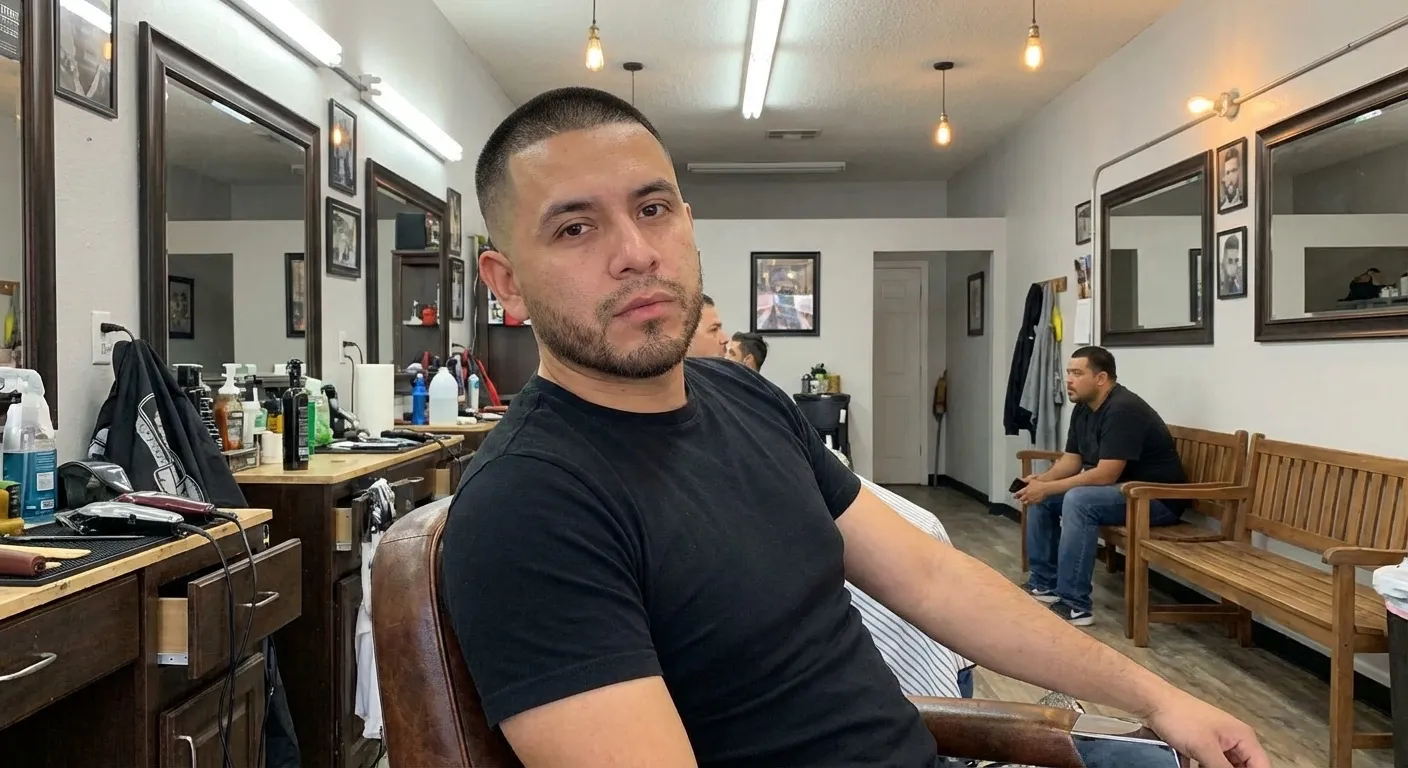
I made more money the first month after dropping walk-ins than any month I accepted them. Fourteen percent more, cutting three fewer clients per day.
Going appointment-only felt like a risk. Barbers I respected told me I’d lose half my book. Some of them still take walk-ins, still work until whoever walks through the door stops walking through the door. I get it. But the math changed when I actually ran it.
Here’s exactly how I made the switch, week by week.
Why I stopped taking walk-ins
Walk-ins were killing my schedule before I realized it. I tracked a typical Wednesday in January: I had five clients booked. Three walk-ins showed up between them. I ended up cutting eight heads, running 40 minutes behind by 3pm, and rushing my last two booked clients to catch up.
Those booked clients paid full price and planned their day around me. The walk-ins paid the same but got priority they didn’t earn, because I couldn’t leave an empty chair while someone was standing there.
A Zenoti report on barbershop operations found that barbershops using structured appointment systems often see twice the revenue per chair compared to walk-in-only shops. I believe it. When you control your calendar, you control your day.
Week 1: I told every client in the chair
No announcement post. No sign on the door yet. Just a conversation during the cut.
“Starting next month, I’m going appointment-only. I’ll send you a booking link. If you grab your spot ahead of time, you’re locked in.”
Most regulars didn’t blink. A few said “finally.” One guy who’d been coming for two years asked why. I told him the truth: I can’t give you my best work when I’m running behind because of walk-ins. He booked his next three cuts on the spot.
I kept a tally on my phone. By Friday I’d told 34 clients face to face.
Week 2: I set up online booking
I picked a booking system that let me set my own hours, block time between clients, and send automatic reminders. Online booking matters more than most barbers think. Over 70% of barbershop appointments now happen online, according to Mangomint’s booking data. I wanted my clients booking from their couch at 10pm, not trying to remember to call me Tuesday morning.
I set 45-minute blocks for cuts with a 15-minute buffer between each. That buffer is non-negotiable. It’s what stops the day from compressing when one client’s fade takes longer than expected.
✅ The buffer is the whole point
Fifteen minutes between clients is where appointment-only pays off. It absorbs delays, lets you clean up properly, and means you never start a cut already behind. Without it you’re just a walk-in shop with a calendar.
Week 3: I texted everyone with a booking link
Short message, same one to everyone: “Hey, it’s Jay. I’m going appointment-only starting [date]. Here’s my booking link. Grab your usual time before it fills up.”
Thirty-one people booked within 48 hours. Not because the message was clever. Because it removed friction. One tap, pick a time, done.
I also posted on Instagram once. A photo of my empty chair with the booking link in my bio. That caught about six more clients who I didn’t have numbers for.
Week 4: The sign went up and walk-ins stopped
I put a simple sign on the door: “By appointment. Book online or text me.” And my number.
The first week I turned away four or five people. That felt wrong. Years of barbershop culture wired me to see an empty chair and a waiting body as a missed opportunity. But I noticed something: two of them pulled out their phones and booked right there on the sidewalk. They came back later that week as booked clients. The other three never came back. I don’t think they were going to become regulars anyway.
A Bookedin industry report found that median barbershops lose around $5,800 a year to no-shows alone. I added a $10 deposit to hold appointments. No-shows dropped to nearly zero. The deposit wasn’t about the money. It was about commitment. A person who puts $10 down shows up. A person who walks in on a whim cancels when something better comes along.
Week 5-6: I filled the gaps and adjusted
The first full week appointment-only, I had two empty slots on Tuesday and three on Wednesday. Instead of panicking, I texted five clients who usually come biweekly and offered them a Tuesday. Three took it.
I also noticed I could raise my prices by $5 without resistance. When clients see a full calendar and a structured system, they read “professional” and “in demand.” I’d been charging the same rate whether I was rushed or relaxed. Now I was relaxed, and the $5 felt earned. That single increase adds up faster than you think.
By the end of week six, my calendar was 85% booked a week out. I was cutting 7 clients a day instead of 10, finishing by 5:30 instead of 7, and making more per month. The math was simple: fewer clients, higher average ticket, zero dead time between cuts.
What I’d change if I did it again
I waited too long to add the deposit. Should have done it from day one. Every barber I’ve talked to who made this switch says the same thing.
I also should have collected more phone numbers earlier. Clients I could text booked. Clients I could only tell verbally in the chair, some of them forgot or figured they’d just walk in like usual.
The real payoff
Every client I see now gets my full attention. No rushing, no watching the door, no squeezing someone in between two booked cuts.
I cut fewer heads now. I make more. I finish earlier. The chair is mine, and so is the calendar.