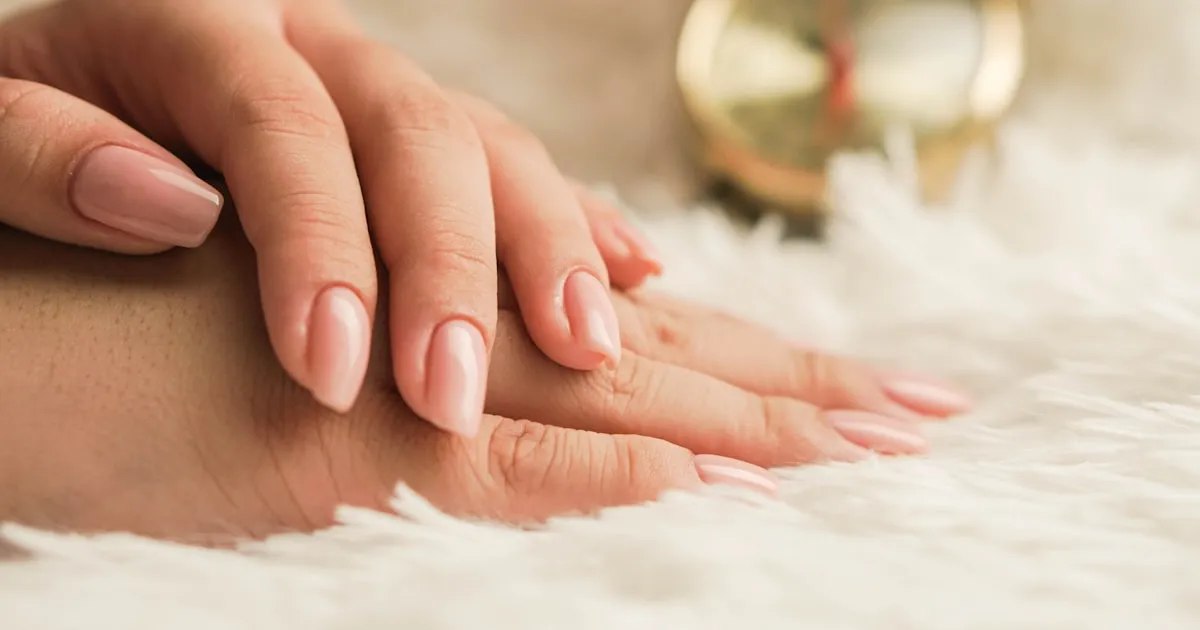
A year ago, one of my regulars sat down and asked for “that builder gel thing.” She couldn’t remember the name. She’d seen a TikTok of someone peeling off old acrylics to reveal paper-thin, damaged nails, followed by a transformation video where a tech applied a clear gel overlay and the nails looked healthy, glossy, and strong in a single appointment. She wanted that.
Since then, I’ve had the same conversation dozens of times. The product she was asking about is BIAB, builder in a bottle, and the broader category it belongs to is builder gel. These thick, soak-off gel formulas sit between standard gel polish and hard gel on the strength spectrum. They add structure to natural nails without the rigid bulk of acrylics. And they’ve gone from a specialty offering to the thing half my clients now request by name.
How builder gel went mainstream
Builder gel has existed in professional nail supply for over a decade, but its consumer breakout started in the UK around 2022. The Gel Bottle, a British brand, popularized the term BIAB and built a cult following among nail techs who were tired of watching acrylics destroy their clients’ nail beds. The product crossed to American salons gradually, then all at once.
The numbers tell the story. The hashtag #biabnails has over 190,000 posts on TikTok, and BIAB-related content has accumulated more than 480 million views on the platform. Federal Character reported that 60% of salon clients now request BIAB over traditional options in salons that carry it. The trend spread from celebrity manicurists working with clients like Kim Kardashian and Jennifer Lopez down to neighborhood nail bars in every major metro.
The broader market confirms the momentum. The global artificial nails market was valued at $1.59 billion in 2025 and is projected to reach $2.72 billion by 2034, growing at a CAGR of 6.19%. Builder gel is one of the fastest-moving segments within that market, with industry analysts projecting 15 to 20% annual sales growth for BIAB products through 2026.
What clients actually want from it
The shift toward builder gel mirrors a bigger change in what clients value. Three years ago, every other request at my table was for long coffin acrylics. Now the most common ask is short, natural-looking gel overlays. The aesthetic moved, and the product had to move with it.
Builder gel delivers a few things that acrylics struggle with. The finish is thinner and more natural. The product is flexible enough to absorb impact without cracking, which means fewer emergency repair appointments. And because it bonds to the natural nail without heavy filing, the removal process is gentler and leaves nails in better shape.
That last point matters more than you’d think. The “nail health” narrative is driving a huge portion of the demand. Clients show up with photos of their own damaged nails after years of acrylics and ask if builder gel can help them grow their natural nails back. The answer is usually yes, and the transformation content that follows is exactly what fuels the TikTok cycle. One Essence feature declared that sculpted gels are replacing acrylics entirely, particularly in Black salons where acrylic services have historically dominated the menu.
The refill cycle is also different. Builder gel grows out more naturally than acrylics, with less visible lifting and fewer noticeable gaps at the cuticle line. Clients come back every three to four weeks for maintenance, compared to the two-week fill cycle many acrylic clients need to keep things looking clean. Fewer visits per cycle means less wear on the natural nail over time.
The revenue math for nail techs
Here’s where it gets interesting for your bottom line. Builder gel services command premium pricing because clients associate them with nail health and longevity. A standard gel polish manicure runs $25 to $45 at most salons. A builder gel overlay starts at $45 to $65, and a full sculpted builder gel set can reach $80 to $100+ depending on your market and complexity.
Average service pricing comparison
The product cost is modest. Professional builder gel runs $2 to $5 per application in product, according to industry pricing data. That puts your margins on builder gel services in the 25 to 40% range after accounting for labor, which is comparable to or better than acrylic margins. The difference is that builder gel lets you charge more for a service that takes roughly the same amount of time.
A BIAB Express service, which Federal Character notes can be completed in 45 minutes, is particularly efficient. If you’re charging $55 for a 45-minute overlay, you’re generating over $70 per hour in service revenue. That beats a standard gel manicure at $35 for 30 minutes ($70/hour) because the perceived value is higher and the rebooking rate tends to be stronger. Clients who invest in nail health come back.
| Service | Avg. Price | Time | Revenue/Hour |
|---|---|---|---|
| Builder gel overlay | $55 | 45 min | $73 |
| Builder gel full set | $90 | 75 min | $72 |
| Acrylic full set | $45 | 60 min | $45 |
| Standard gel manicure | $35 | 30 min | $70 |
The higher per-service ticket also creates natural upsell opportunities. A builder gel appointment already feels like an investment to the client, so adding a hand treatment, cuticle oil, or nail art to the ticket meets less resistance. Industry data suggests that bundling BIAB with hand care can push tickets 20 to 30% higher than the base service alone.
✅ Start with an overlay, not a full menu overhaul
If you’re adding builder gel to your services, start with a single overlay option using a clear or nude shade. You need one builder gel base, one builder gel in a skin-tone shade, and a lamp. Total investment is under $100. Get comfortable with the application and build a portfolio of before-and-after photos. Once demand picks up, add sculpted sets, color options, and repair services. Track which builder gel services your clients rebook most using your booking data, and let that shape which services actually make you money.
What this means for your menu
The nail salon industry in the US generated $25.5 billion in revenue in 2025 across nearly 348,000 businesses. Within that market, service differentiation is everything. Salons that still offer only standard gel and acrylics are competing on price alone. Adding builder gel gives you a premium tier that justifies higher pricing and attracts a client who cares about what’s going on their nails, not just how it looks.
I’ve watched this happen at my own table. My acrylic bookings haven’t disappeared, but they’ve dropped by about a third over the past year. The clients who left acrylics moved to builder gel overlays and are now spending more per visit than they were before. They rebook more consistently. They refer friends. The lifetime value of a builder gel client, from what I can see, is higher than an acrylic client.
The trend also aligns with the broader shift toward natural enhancement services across the beauty industry. Brow lamination replaced heavy microblading. Lip blush replaced bold lip liner. And builder gel is replacing the thick, opaque acrylic set with something that looks like your own nails, only better.
Salons that recognize this shift and adjust their menu accordingly will capture the clients who are already searching for “BIAB near me.” The ones that wait will eventually add it after the margin premium has compressed and the early adopters have already locked in their regulars.
The product is here. The demand is here. The question is whether it’s on your menu yet.