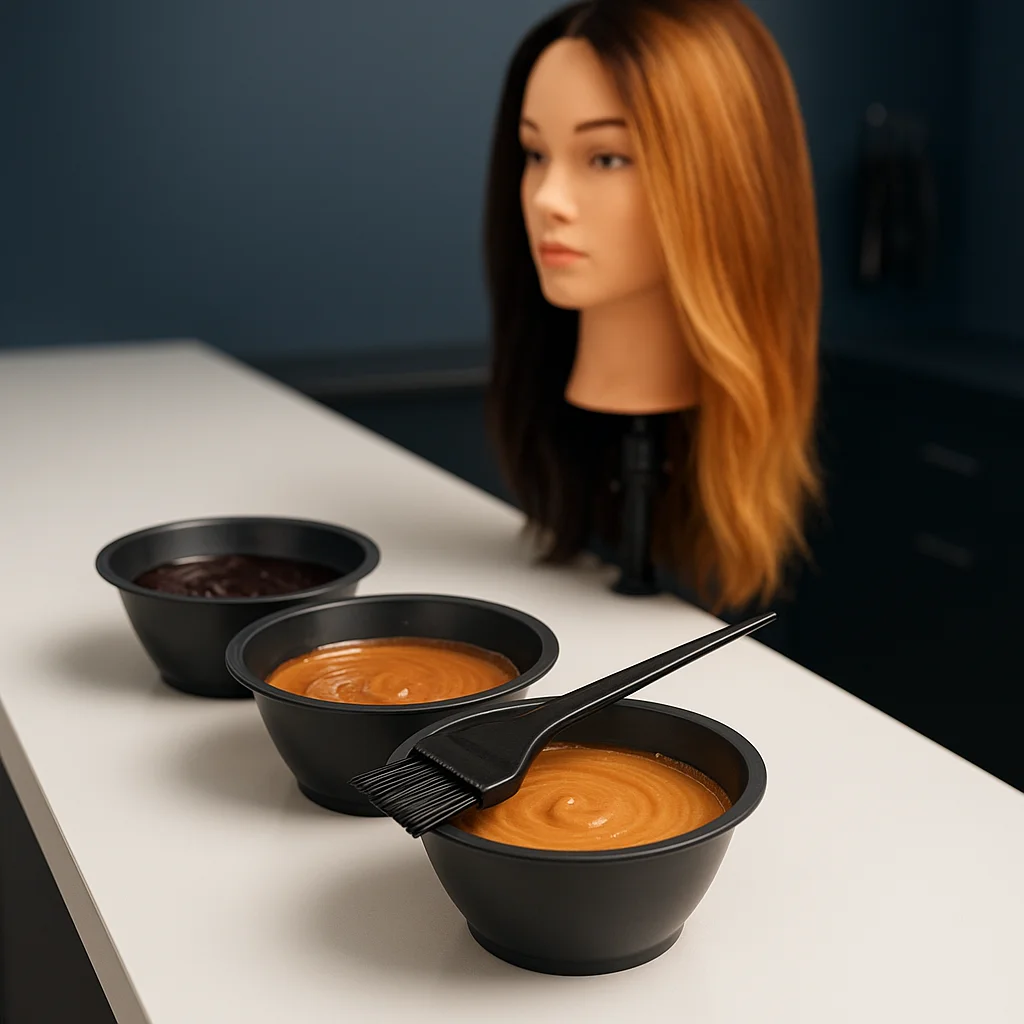
Nine of my sixteen students in the spring color theory class listed color melting as the technique they most wanted to practice this semester. That is more than balayage (four students), highlights (two), and color correction (one) combined.
I have been tracking student technique requests for three years. Balayage held the top spot from 2023 through mid-2025 without much contest. This semester marks the first time a different technique has taken the lead by that wide a margin.
What Color Melting Actually Is
Color melting blends two or three adjacent tones so the transition between them is invisible. Unlike balayage, which paints freehand highlights onto sections, color melting deposits color in overlapping zones and smudges the boundaries together while the product is still processing. The result looks like one continuous gradient from root to end.
The technique works without foils. A stylist applies the darker shade at the root, a mid-tone through the mid-lengths, and the lightest shade toward the ends, then blends where the colors meet using a brush or fingers. Processing time varies by developer, but the application itself typically runs faster than a full balayage because there is no wrapping or sectioning into packets.
Why Students Want to Learn It
Three patterns surface in my conversations with students this semester.
Clients bring reference photos. Students who work part-time in salons report that clients show up with TikTok screenshots and Pinterest boards labeled “color melt.” When clients name a technique by name, that is a demand signal students notice. The #colormelt hashtag on TikTok sits inside the broader 2026 hair color trend conversation that has pulled hundreds of millions of views.
Low-maintenance results close consultations. A major selling point is grow-out. Because the darkest shade sits at the root, regrowth blends naturally. Marie Claire UK reports that color-melted clients can stretch appointments to 8-10 weeks instead of the 6-week cycle common with traditional highlights. For students still building consultation confidence, recommending a service that grows out gracefully is an easier conversation than selling frequent maintenance.
Faster chair time than balayage. Students are practical. They know time in the chair is money. Color melting skips foil work entirely, and several technique breakdowns note that application time can drop by 30-45 minutes compared to a comparable balayage. That efficiency matters when you are building a book and trying to fit more clients into a day.
Student technique requests, Spring 2026
What I See Behind the Chair
My own client requests back this up. Over the past three months I have logged color service requests in my booking notes. Color melting went from roughly two requests per month in late 2025 to six or seven per month this quarter. The clients requesting it tend to be between 25 and 40, and most arrive with specific reference images rather than vague language about wanting “dimension.”
Hair coloring generates 23% of US salon revenue according to IBISWorld, second only to cutting and styling. When the dominant color technique shifts, that 23% shifts with it. Salon owners who stay current on what color services clients are requesting will hold onto that revenue. Those who keep marketing balayage after demand moves on risk losing color clients to competitors who list what people actually search for.
What This Means for Salon Owners
If you run a salon, three things are worth doing now.
Update your service menu. If “color melting” or “color melt” is not on your website or booking page, you are invisible to clients searching for it. The technique is distinct enough from balayage that clients do not consider them interchangeable.
Invest in training. Color melting requires a different hand than balayage. The blending happens during application, not through lightener placement. A stylist who is skilled at balayage will not automatically produce clean melts without practice. Budget for a continuing education session or allocate mannequin time for your team.
Adjust your pricing. Color melting uses less foil and less processing time but requires a high skill level in blending. Price it based on technique difficulty and result quality, not chair time alone. A typical color melt ranges from $150 to $175 depending on hair length and number of tones, which sits in a similar range to balayage but with potentially faster turnaround.
I will keep tracking this through the fall semester. If my classroom is any signal, color melting is not a passing reference photo trend. It is the technique students are building their skills around.