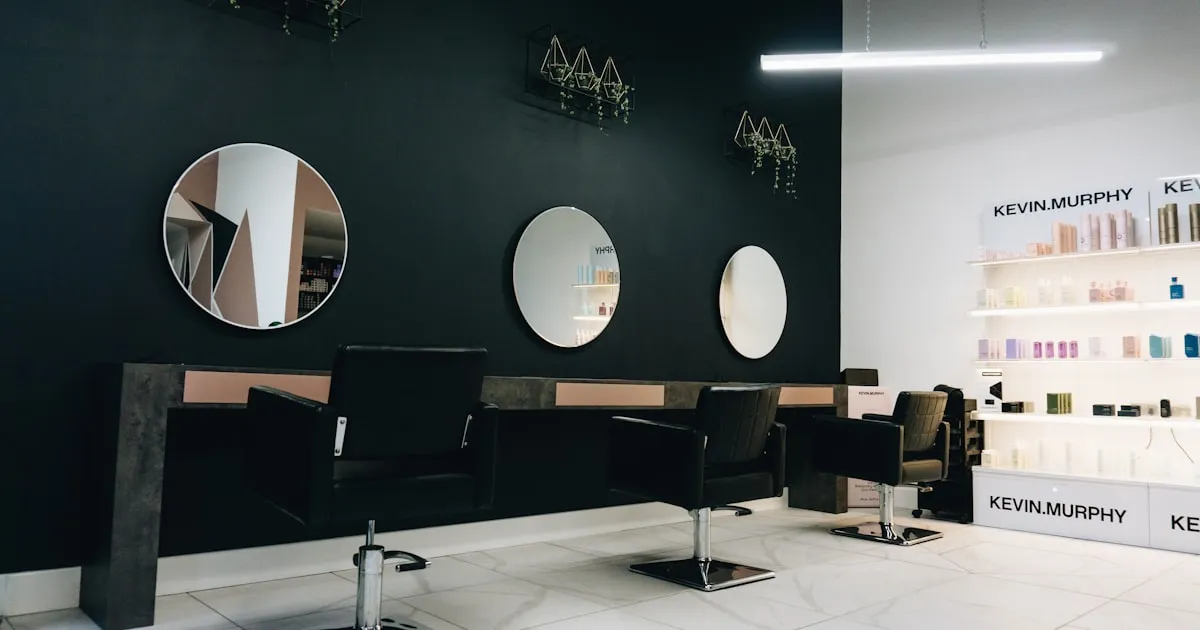
My neighbor in the strip mall where I rent my suite used to manage a six-chair salon in Silver Lake. She had three stylists, a nail tech, and a receptionist. By the end of 2024, two stylists had left for their own suites. The nail tech followed six months later. She closed the salon in January and rented a suite herself. Five people who used to work under one roof now operate five separate businesses within a three-mile radius.
This story keeps repeating across the country. The traditional salon model, where an owner hires stylists and takes a percentage of their revenue, is losing ground to a simpler arrangement: rent a private room, keep everything you earn.
Salon suite industry growth numbers
Sola Salons, the largest salon suite franchise in the U.S., now operates over 750 locations with more than 22,000 independent beauty professionals across its system. Their newest facility in Minneapolis spans nearly 30,000 square feet and houses 101 studios. It was 70% pre-leased before it opened.
The broader salon and spa suite market hit $320.68 billion globally in 2026 and is projected to reach $595.6 billion by 2035, growing at a 7.46% CAGR. That growth is coming directly from beauty professionals who decided the traditional model no longer works for them.
Why they’re leaving
The reasons cluster around money, time, and control.
In a commission-based salon, stylists typically keep 40 to 60% of service revenue. Product sales commissions drop even lower, often 10 to 15%. A stylist generating $2,000 in weekly services at a 50% commission takes home $1,000. The same stylist in a suite paying $400 per week in rent keeps $1,600. That gap compounds. The full booth rent vs. commission breakeven math lays out exactly when the switch makes financial sense.
Weekly take-home on $2,000 in services
Industry data from Indie Salons and Encore Salon Suites puts the annual income increase at $35,000 to $50,000 for professionals who make the switch with a full book. First-year earnings typically rise 10 to 25% even before factoring in retail sales, where suite renters keep 100% of the margin.
Then there’s the control piece. A survey of 10,000 beauty professionals found that 70% of stylists who left their salon did so for lifestyle reasons, not to compete in the same market. They wanted different hours, a different vibe, fewer rules about pricing and product lines. The suite model gives them all of that.
Salon suite rental costs by city
Suite rental prices vary wildly by city. Here’s what the averages look like across major markets, according to Salon Renter and GlossGenius:
| City | Monthly suite rent | Monthly booth rent |
|---|---|---|
| New York City | $1,500 - $2,500 | $800 - $1,500 |
| Los Angeles | $1,200 - $2,000 | $600 - $1,200 |
| Dallas | $1,000 - $1,600 | $400 - $800 |
| Atlanta | $600 - $1,200 | $400 - $700 |
Even in the most expensive markets, the math still favors independence for anyone with a solid client base. A stylist in LA doing $8,000 in monthly revenue pays $1,600 in suite rent and keeps $6,400. Under a 50/50 commission, she’d take home $4,000. The difference is $2,400 per month, or just under $29,000 per year.
The problem it creates for salon owners
The salon industry already struggles with a 40% annual turnover rate. Each departure costs an estimated $5,000 in recruiting, training, and lost revenue. When a stylist leaves for a suite, they usually take their clients with them. Healthy client retention in salons runs 60 to 70%, but that’s retention to the stylist, not the business. The chair goes empty and the clients follow the person who held the scissors.
This is creating a two-track industry. On one track, large salon brands are adapting by converting to suite-rental models themselves, becoming landlords instead of employers. On the other, traditional salons in the middle are getting squeezed between discount chains and independent professionals who offer a premium, private experience.
💡 The suite model isn't for everyone
Going independent means handling your own booking, marketing, supplies, taxes, and insurance. The hidden costs of going independent can catch new suite renters off guard. Professionals with fewer than 60 to 70 regular clients often struggle to cover rent and expenses in the first year. The financial upside requires a full book and the discipline to run a business, not just perform a service.
Salon suite trends in Los Angeles
Three years ago, most of my nail tech friends worked in traditional salons. Now more than half rent their own space. The ones who made the switch earliest are doing well. They set their own prices, chose their own product lines, and built personal brands on Instagram that bring in new clients without a salon’s marketing budget. Knowing your numbers before you set your prices is especially important when you no longer have a salon owner doing the math for you.
The ones who hesitated are watching the economics change around them. Suite rents in my area have climbed about 15% in two years as demand outpaces supply. Sola’s newest locations are pre-leasing months before they open. The window where suites were cheap and plentiful is closing in competitive markets.
The future of independent beauty professionals
The professional beauty services market is projected to grow from $247.6 billion in 2026 to $432.62 billion by 2034, at a 7.22% CAGR. The money is not leaving the industry. It’s redistributing. Moving from salon payrolls to independent operators. From commission splits to flat rents. From centralized scheduling to individual booking links.
For solo professionals already running their own suite, the trend means more competition but also more legitimacy. Clients are comfortable booking with independent operators now. The stigma of “not having a real salon” barely exists anymore.
For traditional salon owners, the question is whether to fight the migration or adapt to it. Some are adding suite options alongside their team model. Others are raising commission percentages to stay competitive. The ones doing nothing are the ones watching their chairs go empty.
The migration started before the pandemic. COVID accelerated it. By 2026, it’s structural. The beauty industry’s workforce is reorganizing around independence, and the numbers say it’s not going back.