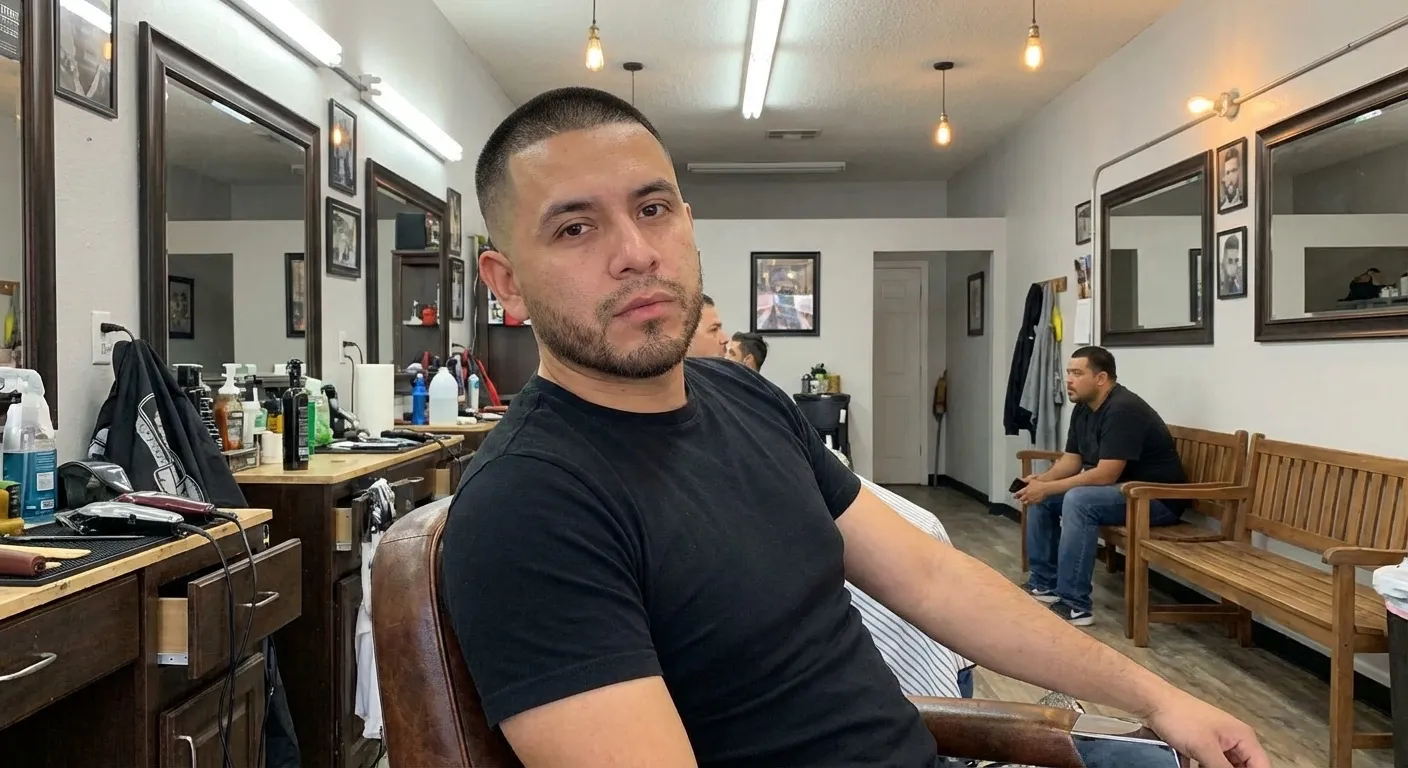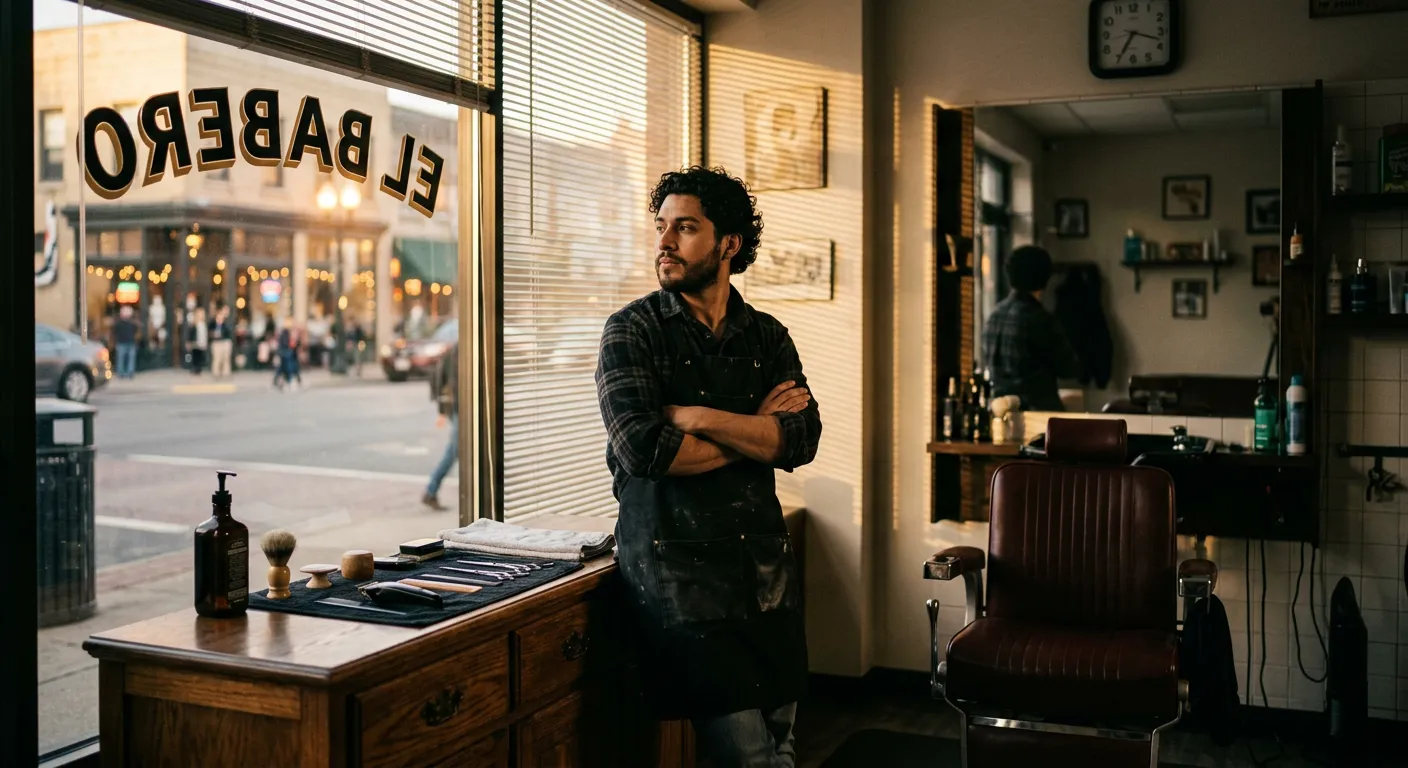
Marcus texted me at 11:47 on a Tuesday. “Bro can you squeeze me in at 2? Need a fade for this interview tomorrow.”
I had a 1:30. I had a 2:15. I had a 3:00. No gap. But Marcus was a regular. He tipped well. He sent me two referrals last year. So I said what I always said.
“Yeah I got you.”
I moved my 2:15 back fifteen minutes without telling her. I told Marcus to be there at 1:55 sharp so I could fit him between clients. He showed up at 2:10.
By 4 p.m. I was 40 minutes behind. My 3:00 waited twenty minutes and left a one-star Google review that night. My 4:00 got a rushed cut because I was trying to claw back time. I skipped lunch. I closed the shop at 7:15 instead of 6:30.
All because I couldn’t say one word.
The pattern I didn’t see
That Tuesday wasn’t an accident. It was a Tuesday like every other Tuesday. I’d been running my chair for almost a year, and my default answer to everything was yes.
Can you stay late? Yes. Can you do something different from what we talked about? Yes. Can I bring my kid and have you line him up too, real quick? Yes.
I thought flexibility was what made me good. Clients loved me because I never turned anyone down. That was the story I told myself.
The real story was different. I pulled up my booking data from the previous three months. Fourteen days where I ran more than 30 minutes behind schedule. Eleven of those started with a squeeze-in or a last-minute add-on I agreed to. Three reviews under four stars, all mentioning wait times.
I was building loyalty with Marcus while burning it with everyone else.
What saying yes costs a solo barber
Here’s the math I did on a napkin that week. My average service is $45 and takes 35 minutes. That puts my chair time at roughly $77 per hour. Every squeeze-in that pushed my schedule back cost me one to three downstream clients who waited too long, got rushed, or left.
One squeeze-in. $45 gained. $77 to $231 lost.
🧮 The squeeze-in math
$45 service gained vs. $77-$231 in lost downstream revenue, damaged reviews, and missed rebook conversations. Over a month of weekly squeeze-ins, that gap adds up to $500 or more.
The Jefferson County Barber Commission says it plainly: constantly pushing yourself beyond your limits is the fastest way to burn out. I didn’t need the study. I had the evidence in my own calendar.
The conversation with Marcus
I texted him the following week. Not a policy announcement. Not a form letter. Just honest.
“Hey man, I can’t do same-day squeeze-ins anymore. It was messing up my whole afternoon and my other clients were catching the fallout. If you need a cut, book a day or two ahead and I’ll always have a spot for you.”
He said “no worries bro.” That was it. No drama. No lost client. Marcus still comes every two weeks. He just books on Sunday night now instead of texting me two hours before.
The client I was afraid of losing never even flinched.
Barber client boundaries that actually work
I didn’t write a policy document. I changed three habits.
First, I stopped responding to same-day texts with “yeah I got you.” My new default became “let me check.” That two-second pause gave me room to actually look at my schedule instead of reacting.
Second, I built 15 minutes of buffer time between appointments. Not for cleaning. For breathing. That buffer turned my schedule from a house of cards into something that could absorb a surprise without collapsing.
Third, I started saying the reason out loud. Not “I can’t.” Just “I want to give you a proper cut and I don’t have the time right now. Let’s get you in Thursday.” Clients respect that. SQUIRE’s research found the biggest time sinks for barbers happen outside the chair: texting, rearranging schedules, chasing confirmations. Every squeeze-in came with ten minutes of scrambling on top of the haircut itself.
What I think about now
Six months after that Tuesday, I run on time almost every day. My reviews climbed back up. I stopped dreading the last two hours of the day.
The chair only holds one person. Every yes you give to the wrong moment is a no to someone who already trusted you enough to book ahead.
I still keep two open slots on slow mornings for last-minute requests. But I choose when to be flexible now instead of letting other people’s urgency run my day.
That’s what no gave me. A better version of the work I was already doing.