A regular client of mine sat down last month and said, “I don’t even care what color we do. I just needed to be here.” She’d had a brutal week at work. The appointment was booked three weeks earlier, but by the time she showed up, the nail set was secondary. The hour of sitting still, talking, and letting someone take care of her hands was the point.
I hear versions of this constantly now. Clients booking not because their nails are grown out, but because they need the reset. The salon visit has shifted from a grooming errand to something closer to a ritual, and the data says that shift is widespread.
Why self-care spending is recession-proof
McKinsey’s 2025 Future of Wellness report found that 84% of U.S. consumers say wellness is a “top” or “important” priority. The U.S. wellness market alone represents more than $500 billion in annual spend, growing at 4 to 5% each year. And here is the part that matters for salon owners: consumers told McKinsey they’d cut spending on clothing, entertainment, and home decor before they’d cut wellness.
That resilience is showing up in salon booking patterns. A 2025 AYTM consumer insights survey found that 70% of people see salon visits as crucial self-care time. Not pampering. Not indulgence. Self-care, with all the weight that word now carries.
The generational engine behind this is clear. McKinsey found that nearly 30% of Gen Z and millennials say they prioritize wellness significantly more than they did a year ago, compared to 23% of older generations. Despite making up just 36% of the adult population, younger consumers drive 41% of total wellness spending. They grew up treating beauty and mental health as connected. For them, a salon appointment and a therapy session serve overlapping needs.
Head spa treatments and the salon wellness crossover
If you want a single trend that captures the salon-wellness crossover, look at head spas. The full revenue breakdown is in scalp treatments are the new facials.
Japanese-style head spa treatments have been around for decades, but they hit the U.S. mainstream hard in 2024 and 2025. SpaSeekers reported a 233% increase in head spa searches year over year, making it the fastest-growing spa trend heading into 2025. The broader hair and scalp care market was valued at $88.2 billion in 2025 and is projected to reach $150.45 billion by 2033, a 7% CAGR driven largely by wellness-oriented scalp treatments.
What clients want from head spa treatments
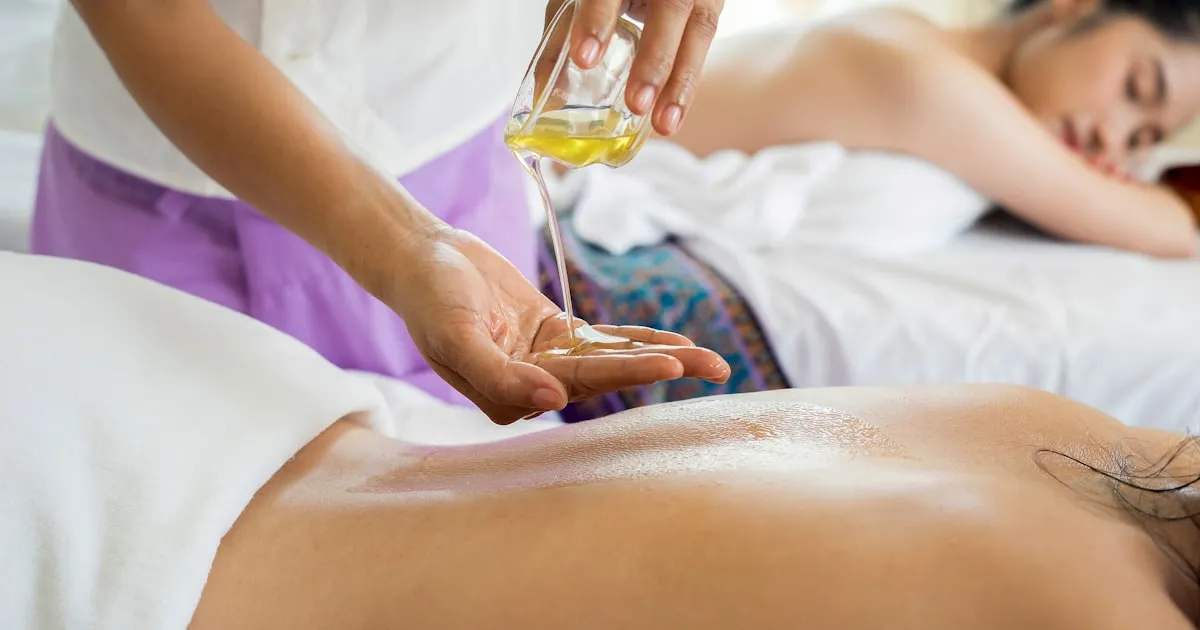
What makes head spas interesting is what they actually are: a scalp massage with essential oils, steam, and sometimes a hair mask. Many salons already have the skills and products to offer something similar. The difference is the framing. A “deep conditioning treatment” sounds like maintenance. A “scalp wellness ritual” sounds like self-care. The service overlaps. The positioning, and the price point, don’t.
Salon Today profiled three head spa businesses and found that standalone scalp treatments can run $75 to $200 per session, with add-on aromatherapy scalp services adding $30 to $50 per appointment in existing salons. For a solo professional, even two or three of these per week changes the revenue picture.
Why clients now see salon visits as self-care
Three forces converged. First, the pandemic made people aware of how much routine physical contact they’d lost. Salon visits became one of the few places where someone else takes care of your body in a sustained, unhurried way. That awareness stuck.
Second, social media reframed beauty as wellness. A Bread Financial survey found that 52% of Gen Z consumers use beauty products to “showcase different aspects of their personal identities and styles.” For this cohort, a salon visit isn’t about looking presentable for other people. It’s about investing in yourself, on your own terms.
Third, the spa industry expanded into accessible price ranges. The global spa market is projected to grow from $74.3 billion in 2025 to $243.9 billion by 2035, a 12.7% CAGR. That growth isn’t coming from luxury resorts. It’s coming from day spas, wellness studios, and salons that added relaxation-focused services to their menus.
✅ Lean into what you already do
You don’t need to become a spa. A warm towel during a pedicure. Essential oil options at the shampoo bowl. Five extra minutes of scalp massage during a wash. Low-pressure add-ons that signal “this is your time” can shift how clients perceive the visit without changing your core services.
How the wellness trend changes salon revenue
When clients view their appointment as self-care, three things happen.
Rebooking becomes automatic. A grooming errand gets delayed when life gets busy. A wellness ritual gets protected. Clients who see the salon as part of their self-care routine book consistently because skipping feels like skipping something they need, not something they want. The mechanics of making that rebooking habitual are covered in how to get clients to rebook before they leave.
Price sensitivity drops. McKinsey’s data on wellness spending resilience confirms this. Consumers will cut discretionary spending in other categories before they cut wellness. A client who frames her monthly nail appointment as self-care is less likely to balk at a $5 price increase than one who sees it as a cosmetic expense. If you have been putting off that conversation, here is how to raise salon prices without losing clients.
Word of mouth changes. “My nail tech is amazing” is a solid referral. “My nail appointment is my favorite hour of the week” is a different kind of endorsement. It sells the experience, not just the skill. And it reaches people who aren’t currently salon clients but are looking for ways to invest in their well-being.
Why salons have an edge over wellness studios
Dedicated wellness spaces, meditation studios, float tanks, infrared saunas, charge $50 to $150 for an hour of feeling cared for. Salons provide that same feeling and the client walks out with a visible result. A fresh set of nails. A color that makes them feel like themselves. That combination of emotional reset and tangible outcome is hard to replicate anywhere else.
A YouGov survey found that 40% of people describe a bond with their hairdresser that goes beyond just getting a service. The salon chair creates a kind of intimacy that wellness apps and at-home routines can’t match. Someone is paying attention to you, with their hands, for an hour. When everything else runs on screens and self-service, that kind of attention is worth more than most salon owners realize.
I used to describe my job as “doing nails.” I’ve started describing it as “giving people an hour where someone else takes care of them.” The work is the same. The way clients experience it has completely changed. If you want to capture more of that wellness-driven spending, salon add-on services like scalp massages and aromatherapy treatments are a natural fit.